Mary Morgan Voice Artist Branding Logo

Mary Morgan

  • Home
  • Demos
  • About
  • Videos
  • Testimonials
  • Clients
  • Vocalist
  • Blog
  • Contact

Voice Over

Voice Over Classes, Workshops, Webinars, oh my!

February 7, 2017 by MaryMorgan

vo-success

Now that I have your attention here’s a warning! There are lots of questions that need answering. Still want to venture forth? Good! You’re very brave. Here we go!

How badly do you want to be a voice over? Like, really how badly? Quite a bit? A lot? Really? Great, now what are you prepared to do to make it happen?

The above questions are for you to answer. Over the next few weeks I’ll post questions with my answers so that you can determine if they’re of any help in where you want to be as a voice over.

Ready to begin? Alrighty then!

-Do you train with just a few people or with lots of people?

Whether you work with 1 or 2 or 3 or 4 or 10 coaches in voice over, you’ll never learn all you need to know. Why? Because as I type this and as you read this the business is changing rapidly. Think about it. Decades ago (in no particular order) there were announcements, then came advertisements, then came promos, then came jingles, then came animations, then came audiobooks, then came movie trailers, then came ADR (automated dialogue replacement), see where this is going? And to add on what we have already there are also medical narrations, on-hold messages, industrials, corporate narrations, museum tours, video games, toys, award show announcers, e-learning, translations, motion capture and now virtual reality is on the rise.

So with all that said, you need to find your niche. You might be great at commercials but not comfortable with animation. You might be terrible at medical narrations but terrific with promos. Audiobooks might be too much for you to handle, yet you can rock the house with video games.

But how, you ask, do you find out? Take workshops!

As I’ve said quite a few times, if you have a computer with internet then you have no excuses not to work with others in VO. The only downside is that they do cost money, some much more than others. You also have to do some research because a person may claim expertise in something but not have nothing to show for it. I can’t tell you how many times I’ve seen continuing education classes at colleges taught by supposed experts yet find nothing about them on the internet: No website, no LinkedIn page, no IMDb page, not even a mention in forums or message boards. But in the bio of the course taught they’ve been a VO talent for 20 years doing commercials, narrations, video games, etc.

Here’s something I do when anyone claimed to work in cartoons or video games. I search the Internet Movie Database.

mary-and-dave

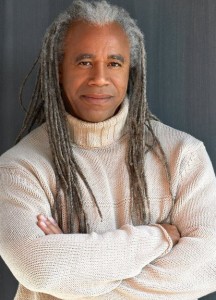
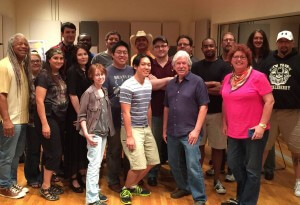
For example, look at Dave Fennoy, who teaches video game voice acting workshops. http://m.imdb.com/name/nm0271965/?ref=m_nv_sr_1

Or Pat Fraley who teaches animation and audiobook voice over workshops. http://m.imdb.com/name/nm0289710/?ref=m_nv_sr_1

mary-and-bob

Or Bob Bergen, who was the first true VO talent I learned from. http://m.imdb.com/name/nm0074036/

Now unfortunately not all animation voice over talent have IMDb pages, but they have experience and knowledge with companies like Nickelodeon, Disney, and others. Lisa Biggs for example is a phenomenal voice actress with 20 years of experience. I know Lisa and always recommend her. Sadly I can’t find an IMDb page for her. But if you visit her top-notch website you’ll hear amazing demos, see video clips of various jobs and toys that she’s voiced! You can ask if anyone knows Lisa Biggs in a number of voice over groups and discover that she’s not only well known but widely respected and incredibly generous. http://lisabiggs.com/

If you’re drawn to the world of commercials you still want to work with more than one person. Why? Because you still need to find out what kinds of commercials work for you. Always use your natural voice for commercials unless the client is looking for character voices (talking tomatoes, talking pets, etc.). If your voice is young you probably won’t book many ads about banks, real estate, or automotive spots; however, you might have luck with ads for cosmetics, restaurants, fashion, or vacation packages. If your voice is older or deeper you can do sultry ads for perfumes, authoritative commercials on serious subjects, pet foods, cleaning products, wine or beer products. Get the idea?

Can you talk for hours without sounding tired or damaging your vocal chords? Then try audiobooks or narrations. The hours are long and sometimes deadlines are short, but lots of people make good money recording audiobooks and it continues to be a market in high demand. But what genres fit your voice? Mystery? Science fiction? Fantasy? Horror? True Crime? Romance? YA? Children’s books? Non-Fiction? Erotica?

Can you sound like a young and energetic little boy or girl? A hyperactive robot? A bitter old woman? A sarcastic villain? A magic creature from folklore? A foreigner from a little-known country with a bizarre accent? Then you might have a place in the world of animation, anime and video games. But keep in mind all the above as just a few examples of what you might be expected to do just for one show. These days voice actors are expected to voice at least 3 different characters for a single game or show. And they must not sound similar!

Nancy Cartwright is famous as the voice of Bart Simpson, but look on her IMDb page and see the other voices she created for the show during the 27 years it’s been airing on T.V.! http://www.imdb.com/name/nm0004813/?ref_=fn_al_nm_1

What about Trey Parker and Matt Stone who created South Park? http://m.imdb.com/title/tt0121955/fullcredits/cast?ref_=m_tt_cl_sc 

Browse Tara Strong’s list of credits and see how many shows she had to provide more than one character voice for: http://m.imdb.com/name/nm0152839/filmotype/actress?ref_=m_nmfm_1

This blog post could go on and on. Yet I imagine the info mentioned thus far is already taking its toll on your brain. You don’t have to be good with all voice over markets, but the more you can add to your repertoire, the more likely you’ll attract work and opportunities.

So after everything I said above, what do you think? Should you train with just a few VO coaches or as many as you can?

I’ve worked with LOTS of people. And I’ll probably work with more, because I never want to stop learning.

Here’s a list of people I’ve trained with as well as what I learned from them and a list of people I have not worked with but whom I trust in what they teach.

People I’ve trained with and highly recommend:

Lisa Biggs: Animation, kids voices, voice over for toys

Pat Fraley: Animation and Audiobooks

Bob Bergen: Animation

Mary Lynn Wissner: Commercials

Bill Holmes: Commercials

Everett Oliver: Animation

Marc Cashman: Commercials

Dave Fennoy: Video Games

Ginny McSwain: Video games

Lani Minella: Video games

Richard Horvitz: Animation

Marice Tobias: Commercials and Narrations

MJ Lallo: Animation

Katie Leigh: Animation

Joyce Castellanos: Promos

Ned Lott: ADR Looping

Cliff Zellman: Commercials

People or Places I haven’t trained with (yet!) but still recommend:

Anyone who teaches at Global Voice Acting Academy

Nancy Wolfson – Commercials

Angel Burch – Beginning Voice Overs, Animation, Techniques

Elaine Clark – Narration, Commercials, Video Games

Debi Derryberry – Animation, Commercials

Terri Douglass – ADR Looping

Bill Farmer – Animation, Commercials, Trailers

Marc Graue – Video Games, Trailers, Commercials, Narrations, Promos,

Often the names above will teach workshops across the USA and sometimes abroad. Unfortunately, one or two only work with talent in person. Otherwise, the majority will also teach workshops over Skype, group classes through Zoom or webinars. Take advantage of the opportunity to work with them!

Google their names and see what you find or find them on social media.

Always remember to do your research and follow your instincts!

Filed Under: Creativity, Voice Over Tagged With: blogging, Characters, Entertainment, IMDb, internet, Knowledge, Learning, research, social media, talent, Training, VO, Voice Acting, voice actor, voice actress, voice artist, Voice Over, voice over artist, voice over career, voice over studio, voice over talent, voice over website, workshops

Exercise and Voice Over

January 30, 2017 by MaryMorgan

Can exercise make you a better VO?

Anybody and everyone will say the same thing over and over: exercise is good for you! You know it’s true. It has many, many MANY benefits for the body, the mind and I’m going to share how it’s helped me in voice over.

Breathing for example. We all have to breathe in order to live, but to do hours of voice over you need to understand the right way to breathe by using the diaphragm instead of the chest. It’s also a common necessity for classically trained singers when performing live concerts or stage musicals. However, those not interested in voice lessons can learn to breathe correctly by practicing yoga. As someone who also teaches yoga I can attest to this.

Yoga promotes better breathing, balance, flexibility and strength. When doing animation or video game voice overs sometimes the body must be in motion even if the player only hears your voice. If the character is in motion you need to sound like you’re in motion. For those who want to act with motion capture technology, being in good shape is essential. You could be asked to run, do somersaults, choreographed fight scenes, etc., over and over until the director has the best footage for animating.

Martial arts is fabulous for breathing, as well as learning to protect yourself in real life and understanding how to take a punch, a kick, a slap, or handling weapons. I often promote Krav Maga, an Israeli martial art, as a style worth time and money to learn because the training is intense and realistic when it comes to defending yourself from danger. I don’t mean zombies, or supernatural enemies, but real life. It took me 7 years to achieve my black belt and it was one of the best investments I ever made. You’re taught how to get out of choke holds, bear hugs, knife attacks, gun attacks, ground attacks, stick or pipe attacks, and much more. Lots of video games are first-person shooters. Can you create five different ways to sound like you’ve been punched or kicked? How about exertion sounds such as lifting something heavy, reacting to a gunshot wound, holding a heavy rifle or sword and having to fight with it? Then there’s the fact that you’ll need to be comfortable doing all the above while standing in a booth for 3-4 hours — or possibly 6!

Or if you don’t want to take lessons in martial arts, try dancing. If you hope to be in musicals someday then it’s another must. Few musicals don’t include dancing of some sort. While I’ve yet to hear about a VO or motion capture session involving dancing and speaking at the same time, it’s still part of performing arts and great for singers. Broadway performers often make great voice actors due to their ability to be animated when speaking as well as singing. Before celebrities came aboard to voice characters in animated Disney Films, stage actors and singers like Jodi Benson (Ariel in The Little Mermaid), Paige O’Hara (Belle in Beauty and the Beast), Richard White (Gaston in Beauty and the Beast), Susan Egan (Belle in Beauty and the Beast on Broadway and Meghara in Hercules) and others voice iconic characters doing the speaking and singing. To be stage performers they had to be in good shape, have flexible vocal chords and excellent breath control.

And you don’t like the idea of any kind of exercise class then you have no excuse not to go for a walk or jog. Get used to being on your feet for an hour or two and practice getting your lungs nice and strong.

In an article with The Times of India (http://timesofindia.indiatimes.com/entertainment/hindi/music/news/Beyonce-to-fight-childhood-obesity/articleshow/8888356.cms), Beyoncé revealed her training regimen from her early days, stating, “My father, who was also my manager, made me run a mile while singing so I would be able to perform on stage without becoming exhausted.”

Running may not be the most fun thing to do but Beyoncé has a strong point. The exercise kept her in shape, improved her ability to use awesome breath control when singing and moving, and her energy is all over the place.

If weather is unpleasant, then get on your computer and use YouTube exercise videos. There’s an abundant amount of them! Start with 30 minutes a day till you feel you can do 45 minutes, then an hour.

Now, forgive me if I’m blunt here, but if nothing mentioned in this blog inspires you to move to keep you voice and body healthy, then you’re either depressed or lazy. If you’re depressed, please don’t think you’re alone and believe there are ways to get help. If you’re lazy, that’s a choice. Just don’t expect opportunities to come your way. This is not a business for people who are lazy. Neither will do you any good in building success as a voice over. You MUST take care of yourself. No one will do it for you. If you ever want to compete with the amazing talent already out there, then you have to do the work and keep at it.

Are you a member of a gym? See if they offer yoga or martial arts classes.

Not interested in a gym? Try finding a studio dedicated to yoga, Pilates or martial arts.

If you can’t get to a gym, a yoga studio or a martial arts center or don’t have the money to join them guess what? You have Youtube! And there’s no more excuses to use from here because you wouldn’t be reading this blog if you didn’t have internet or access to it.

However when it comes to martial arts I don’t recommend learning through YouTube or any online videos. It’s best you take lessons in person with a mentor who’s certified to teach.

But with yoga fear not, here are some good sites I’ve come to appreciate when it comes to exercise and inspiration. Good luck on your journey!

https://www.youtube.com/user/RachelBrathenYoga

http://www.huffingtonpost.com/kayla-matthews/9-great-yoga-youtube-channels_b_6737360.html

http://www.healthline.com/health/fitness-exercise/best-videos-yoga#10

https://www.youtube.com/user/lesleyfightmaster

http://takelessons.com/blog/yoga-for-singers-z02 

Filed Under: Krav Maga, Voice Over, Yoga Tagged With: Advice, Beyoncé, breath control, Breathing, good health, inspiration, Krav Maga, Martial Arts, motion capture, Physical Excercise, voice actor, voice actress, voice artist, Voice Over, voice over artist, voice over career, voice over studio, voice over talent, voice over website, Yoga, youtube

Think about what you say…

January 22, 2017 by MaryMorgan

bully

The other day a VO talent I’ve known for a few years asked for referrals to agents I work with and agents I know personally. I VERY rarely give referrals because 1. I must be comfortable with you as a talent and as a trustworthy source. 2. I must believe in the potential of what you’re able to do as a voice over (commercial, animation, narration, video games, radio, etc.) and 3. You must have trained or worked with people I know in voice over. [Read more…] about Think about what you say…

Filed Under: Uncategorized Tagged With: Acting, agents, attitude, bullies, bullying, choices, Community, Creativity, Hard Work, kindness, Learning, presentation, referrals, respect, social media, Voice Acting, Voice Over

Respect Vs. Fame

January 8, 2017 by MaryMorgan

It’s 2017 and I’ve decided to do my very best to add VO related articles to my blog 3-4 times a month, primarily on Sundays.

I encourage readers to subscribe if what I have to share is of value. If not, no worries.

As a kid, I wanted to be famous. I won’t lie. The 1980s was just such a magical time for me when it came to movies and cartoons. I wanted to be part of it all. Then the 1990s came and the magic slowly began to fade. When the 21st Century arrived, it wasn’t about wanting to be famous as much as being part of amazing projects. And as time passed the thought of being famous sounded more like a nightmare.

Every day, the media shows what it’s like when intrusive paparazzi stalks well-known actors, YouTube stars, and even their children! Anything they say, anything they do, anywhere they go and anything they wear in public is judged. They’re on display like animals in a zoo, and why? Because they appear on a screen for the entertainment of others. That’s fame today. And the viewers who idolize and obsess over them are forgetting there’s more to life than illusions. This can happen in voice over too. Sooner or later people want to know what the person behind the voice looks like, how they talk in real life when they’re not in character, or if they can talk to them in person at a convention. The latter is what I hear about the most. And when I meet young people who tell me why they want to “get into” voice over, that’s one of the top reasons. They never talk about committing time to acting classes, performing in theatre, reading out loud every day to improve their speech, attending VO workshops or participating in improvisation workshops, or networking with experienced VO talent. They want to be the next “so-and-so”. They want fans clamoring to take their picture or asking for autographs. They want to make LOTS of money and fly all over the world attending conventions to feed their egos.

q1

I know more than enough voice actors who enjoy the fame that comes with the work. I however, don’t have a legion of fans, but I do have lots of friends in the entertainment industry as well as lots of colleagues, a great client list, working relationships with creative people — hardworking agents doing all they can to help me – – and a great deal of support from admirers inside and outside my family. Everything mentioned above is what I value far more than fame. It’s respect.

Fame doesn’t make you a great voice over. It doesn’t guarantee more work. It can eat away at the soul, turn people sour against you, and in the end, isolate you from all that’s been good in your life. A handful of people in the world understand how to treat fame with humility. You only need to watch YouTube, or visit celebrity gossip sites to see how the rest handle it.

q2

If you want to be a voice over, ask yourself why. Is it to achieve fame and fortune or respect and creative employment?

If it’s the later you must work hard at your craft, listen to professional wisdom, take criticism whether it be positive or negative, practice daily, network, keep up with changes in the industry, have patience when things don’t go your way, and appreciate others whether they help you or not.

If it’s the former, then nothing I can say in this blog will help you. Just google “How to be Famous” and see what comes up.

youtube-pic

Filed Under: Voice Over Tagged With: Acting, Creativity, fame, famous, Hard Work, humility, practice, respect, respectful, Voice Acting, Voice Over

Voice Over Knowledge Shared

June 14, 2016 by MaryMorgan

images

Want to guess how many times I get asked “How can I be a voice actor?”

I have no problem hearing the question, because I was asking it myself years ago. There is a problem, though. The advice that I tend to offer for free is typically ignored or unappreciated. It’s okay. I’m not bitter. But I do find it irritable when folks expect an easy way to get in, as though I could wave some magic wand and just turn them into legit voice actors. Or as one person asked me:  “Could you help me get a lead on one of your shows?”

First let me just say that I fully respect anyone and everyone who has aspirations to do what they love, and I want to support individuals who are serious about pursuing their dream careers. However, there are those who want to bypass the work and rely on ego and attitude to get them places. I’m sorry to say, they probably won’t get too far. I’ve put in so much time to write emails full of information which I researched for days and days and in some cases received from genuine voice over resources themselves. Lately no one wants to read all the info; they want me to make a phone call and give fictional praise on their behalf because they believe they’re just as good as the talent working today. If I don’t know you personally and have never seen you act then it’s not going to happen. If you call one of my clients, agents or teachers and falsely claim that I recommended you when I didn’t, it really won’t happen. And to folks who use anger and bullying, it will NEVER happen. For everyone else, this is not meant to be discouraging; it’s meant to give some direction.

Back to what is said at the top of the page, “Knowledge is Power”, and the internet is a gold mine of knowledge. I’ve trained with numerous working voice actors, attended seminars and workshops by respected casting directors, networked for years with voice over talent who are my second family, and together we’ve all kept up with what’s current in the entertainment industry, the markets, the genres, conventions, workshops, tutorials and LOTS more through the internet and word of mouth. So instead of responding to emails and posting all the precious information I’ve put together, I’m going to put as best as I possibly can a condensed version here on my blog. Anyone who emails me asking the same questions will be sent a link here. If you are a potential voice actor, it’ll be your job to decide what to do with this information. Keep in mind two things though: Voice over is VERY competitive, and no matter where you are in your career, you shouldn’t EVER stop learning.

Pat class me focused

To be a Voice Over know first that acting is acting. I know of very few people who got into voice over work without being an actor first. Even if you only want to pursue commercials, narrations, or announcements, an acting class will benefit you in tremendous ways whether it be theater, film, or improvisation. You gain an understanding of what it means to be directed, how to use your voice correctly, and enhanced reading skills. If goals are focused towards animation, video games, anime or puppetry, acting classes are MUST. No excuses. Funny voices don’t make a character authentic, acting does. If you live somewhere that doesn’t have ongoing film, theater or improvisation classes to take in person fear not. Thanks to Skype, Zoom, Youtube and many others you can learn from a distance by attending webinars, online programs, group courses or one-on-one training with a reputable coach. Some names mentioned are people I haven’t trained with yet but through colleagues that I trust without any doubt whatsoever, I believe they’re experts worthy of notice. If there’s a name on my list of teachers that isn’t mentioned it’s due to one of two possible reasons: 1. I haven’t heard of the individual yet. 2. I have in fact trained with the individual and what they teach is false.

Everyone has a website these days so all you have to do is google their names for more info.

IMPORTANT NOTE ON DEMOS: Do not get a demo made until you’ve had enough training to start somewhere. False teachers/producers will try to talk you into letting them produce your demo when you’re far from ready. It’s an expensive mistake that can also damage your first impression to others. People remember bad demos. NEVER forget that. Visit http://www.videovoicebank.net for examples of top-notch demos. Listen to names (including celebrities) under agents like William Morris Endeavor, DPN, CAA, VOX Inc., CESD, SBV, AVO, Atlas Talent, Osbrink Agency, Coast to Coast Talent, Abrams Artists and Associates, and TGMD. Can you do what they do and sound believable?

Teachers I have trained with, most have expertise in more than one genre or market: Lisa Biggs (kid voices, voice acting toys), Everett Oliver (animation), Pat Fraley (audio books, animation), Cliff Zellman (commercials), Ginny McSwain (video games), Bob Bergen (animation), Dave Fennoy (video games), Joyce Castellanos (Promos), Mary Lynn Wissner (commercials), Katie Leigh (animation), Marice Tobias (commercials/narration), Richard Horvitz (animation), MJ Lallo (animation), Bill Holmes (commercials), Marc Cashman (commercials), Lani Minella (video games), Bruce Carey (commercials), Bob Michaels (commercials), John Swasey and Ned Lott (ADR Looping)

Demo Producers I have worked with or I have complete trust in: Chuck Duran, Marc Graue Studios, Susan Palyo at Voice Trax West, Cliff Zellman, Richard Horvitz, Nancy Wolfson, Roy B. Yokelson, David Rosenthal, Cristina Milizia

Voice Over Guides from Working Professionals in Animation, Video Games and Anime:
https://iwanttobeavoiceactor.com
http://www.kylehebert.com/
http://www.crispinfreeman.com/faq.html

Group/Private Training and Workouts for all kinds of Voice Over markets:
http://www.globalvoiceacademy.com/
http://www.voicetraxwest.com/classdescriptions/
http://www.fixinthemix.com/Voiceover_VO_Class.htm

Voice Over Blogs or Web Talk Shows:
http://www.nethervoice.com/nethervoice/
http://courvo.com/blog
http://blog.audioconnell.com/
http://www.vobuzzweekly.com/

Help with Marketing and more:
https://www.marcscottcoaching.com/lesson/marketing-for-success/ 
http://anneganguzza.com/services
http://www.celiasiegel.com/

Voice Over Communities:
http://www.vo-bb.com/phpBB2/
https://twitter.com/courvo/lists/voiceoverists (Also search for a plethora of groups on Linkedin, Facebook, Pinterest, etc.)
http://www.voiceoveruniverse.com/
http://www.voxyladies.com/

Voice Over Conventions:
http://www.voatlanta.me/
http://www.faffcon.com/ (working professionals only)
http://faffcamp.com/ (those starting out or already seasoned in VO)
http://www.world-voices.org (runs WOVOCON)
http://randythomaspresents.com/
http://www.midatlanticvo.com/
http://voxyladies.com/voxy-summit-2016/
http://www.midwestvoiceoverconference.com/
http://thatsvoiceover.com/

Home Recording Studio Experts:
Dan Lenard – www.homevoiceoverstudio.com/
George Whittam – http://www.vostudiotech.com/
Dan Friedman – http://www.sound4vo.com/

A few examples of Professional Voice Over Websites:
http://voiceoversandvocals.com/ 
http://bethchaplin.com/VO/
http://www.bernadettesullivan.com/
http://www.nazvoice.com/
http://www.lorialan.com/
http://www.mikematheson.com/
http://www.dbcoopervo.com/yeah/

Miscellaneous Resources:
http://www.voiceoverresourceguide.com/
https://www.audiopub.org/ (for audio book narrators)
https://www.voiceoverxtra.com/
Last but nowhere near the least are Don’ts and Do’s that I’ve compiled based on my own experiences. May you all follow your dreams and find success!

WHAT NOT TO DO
– Don’t stop in the middle of a recording. If you mess up during a recording or audition don’t ask the engineer to stop recording and don’t waste time apologizing, just go back to the beginning of a line or paragraph and start again. Engineers can edit out mistakes.

-Don’t offer suggestions to the director unless you are asked

-Don’t let any coach (no matter how reputable) convince you that you’re ready to make demo after 2-3 sessions, especially if you’re a beginner.

-Don’t have a friend make an edit for you unless they have extensive professional experience. It’s very easy to tell if an audio production was produced on cheap software ore a high quality studio. You want the best to make you sound the best.

-Don’t eat dairy products or a super heavy meal before a recording session.

-Don’t spend thousands of dollars on a home studio, ask around for advice on good microphones, recording software, speakers, headphones, etc.

-Don’t show up in person to hand studios, agents, or casting directors your demo. Look at their website for rules on submissions (if there are any), then call to see if the company has a casting department or ask who casts the shows/games. Most casting directors prefer a link to your demo from a website rather than an mp3 as they take up space.

-Don’t tell everyone about a project you’ve recorded on social media unless the client is okay with it. Overzealous anime and video game fans will do almost anything to get the gossip on who voiced what character. Wait until the studio makes a cast announcement online or ask them personally if it’s okay to share news about your latest voice over job.

-DON’T EXAGGERATE ON YOUR RESUME. People in this business do look up people and places that you list and if it’s not legit, word will spread super quickly.

-Don’t call studios, agents or casting directors saying someone referred you if it’s not true. You won’t be hired and more than likely never trusted as second time.

-Don’t strike up a conversation with another VO actor at an audition in person. If there’s a script for you to look over, read it, study the available information. Afterwards, make friends, but be respectful to those auditioning after you.

-Don’t beg for a job. Ask about upcoming auditions or share news of a recent project (without bragging) or a new voice over demo, but don’t e-mail clients specifically asking if they can give you a job.

WHAT TO DO

-Do be on time when recording in a professional studio, fifteen minutes early at best.

-Do let producers, casting directors or your agent know if you’re running late (traffic, accidents, events, etc.)

-Do pay attention to all direction given to you in a session

-Do ask questions if something doesn’t make sense, don’t give the director a hard time pretending you understand if you really don’t

-Do bring your own water. Some studios have some for you but not always.

-Do practice a script if the client sends you a copy to work with. If you can look at your script the day before recording READ it and PRACTICE out loud.

-Do always keep training in some way, take ongoing acting lessons, attend workshops, seminars, watch youtube videos, read articles, listen to other demos

-Do market yourself with business cards, postcards, CDs, websites,

-Do network with others at events (see conventions list) you never know who you might meet

-Do keep up with what’s happening in the industry. So many do not do this.

-Do make friends with other VO talent. Many pass jobs to each other or recommend friends to agents and studios.

-Do keep a positive attitude, it’s a VERY competitive business and everyone goes through ups and downs. Everyone. But if you’re negative, especially around people in the business, people will not want to work with you or recommend you to clients.

-Do take care of your body with vocal warm-ups, physical exercises, and good personal hygiene.

-Do research coaches, classes, to see if they’re legit, ask around forums, get REAL opinions, don’t necessarily rely on online testimonials alone.

-Do listen very carefully to demos. Recognize what sounds real and what sounds fake. A voice actor (even a coach) may say they can sound like a baby, kids, teens, but vocally they’re incapable of sounding authentic. If you can sound like a baby, have it on your demo or be prepared to have a dynamite audition. First impressions really do matter.

-Do take criticism and learn from it.

-Do have fun! Enjoy life!

me recording

Filed Under: Creativity, Voice Over Tagged With: Acting, Advice, Animation, Anime, Audio Books, Characters, commercials, Community, Competition, Creativity, Experience, inspiration, Knowledge, Learning, practice, presentation, Production, Resources, Teachers, Video Games, Voice Over

Commercial Voice Over… a mere start

September 15, 2015 by MaryMorgan

“I want to read commercials for radio, internet and TV and make lots of money.” Okay, nothing wrong with that but the competition is fierce. What kind of products? Cars? Food? Medical? Cosmetics? Restaurants? Sports?

If yes to all the above, first, you should know what you’re getting into. Second, practice! Third, market yourself. Back to practicing though, how are your reading skills? Read something out loud for 20 minutes every day, anything, a book, magazine, etc. After a week or two has passed, start recording yourself, and take notice of the pace you read; any words stand out need more emphasis? Is punctuation necessary? Are you telling a story or selling a product?

Now, look for newspaper clippings, ads in magazines and read them out loud as though for a commercial. Your job is sell the product to the listeners. So in the script, no matter how long or short, imagine your audience asking such questions as these: Who are you? What is the product you’re selling? Do you believe in the product? Why should I buy the product? How does this product work?

This technique is mentioned countless times, just like in the post regarding Dave Fennoy and his Video Game Acting workshop. However the questions in that post were meant to help the reader establish their characters. Here these questions are meant to help define what you, the seller, wants to say to the listener/buyer. The more you practice asking questions with your lines the more you’ll look at a script and understand how to interpret what you’re selling or sharing with listeners convincingly without writing many notes and thus developing a conversational reads.

If you’re alone, pretend someone is asking these questions. For practice, if you have a way to record yourself while reading the script and the questions, just cut the questions out of the audio once done and listen to the playback. Better yet, have a friend or family member read the questions and answer them the way you would on a conversational level.

First Example:
(SCRIPT)
What is the topic/product? Biodiversity. What does it do? It rules our oceans. But it’s threatened!
Why should I care? And that means big trouble for our life on Earth.
Oh? How is this possible? Learn why on the next Radio Expeditions special coming this October from the National Geographic Society and National Public Radio.
When? Call your local NPR station for broadcast times.

Second Example:
(SCRIPT)
Feel and See
Feel and see what? Genuine leather, Ceramic Craft and Metallic Craft. What for? The back of the all-new LG G4 has been fabricated in three cutting edge materials, each designed with an eye towards classic craftsmanship. Ok, is that all? And with 5.5” IPS Quantum QuadHD display and 16 MP camera with an f/1.8 lens underneath it all. So what does it do? It performs as beautifully as it looks.
Is it worth it? See the Great. Feel the Great.
Where can I learn more about it? Visit www.LG.com/G4

Third Example:
(SCRIPT)
What are you doing? Presenting the new Unstoppables collections with ultra-long-lasting scents. What do I do with these? Smell like the lifestyle you deserve. What are they called again? Unstoppables.

***
Do you sound like a conversational person or an announcer? If it’s the latter keep rehearsing, and asking the questions multiple times till you have a feel for the conversational. The vast majority of magazine ads are not written to read aloud like scripts for TV or radio, but if you can make them sound legit, they can make great copy for future commercial demos. Don’t be discouraged if it doesn’t work out. It’s about practice! There’s also the option to find commercial copy online through a genuine search on google. Then pick scripts that you feel comfortable with and repeat the question exercise again.
That my friends, is the just the start.
Later discussions will include which workshops or classes to consider for commercial voice over and classes that are helpful when pursuing animation and video games.
Filed Under: Voice Over Tagged With: commercials, conversational vs. announcer, interpretation, practice, presentation, products, script reading, Voice Over

  • « Go to Previous Page
  • Page 1
  • Page 2
  • Page 3
  • Page 4
  • Page 5
  • Go to Next Page »

Primary Sidebar

Categories

  • Creativity
  • Krav Maga
  • Music
  • Uncategorized
  • Voice Over
  • Yoga

Archives

  • January 2022
  • September 2021
  • January 2019
  • December 2018
  • May 2018
  • March 2018
  • February 2018
  • January 2018
  • November 2017
  • October 2017
  • August 2017
  • July 2017
  • March 2017
  • February 2017
  • January 2017
  • June 2016
  • April 2016
  • September 2015
  • August 2015

©2026 Mary Morgan // Voice Over Site by Voice Actor Websites

marymorganvoice@gmail.com
817-845-7862