Mary Morgan Voice Artist Branding Logo

Mary Morgan

  • Home
  • Demos
  • About
  • Videos
  • Testimonials
  • Clients
  • Vocalist
  • Blog
  • Contact

Training

10 Reasons why you won’t make it as a voice over part 2

August 1, 2017 by MaryMorgan

Continuing from last time on 10 Reasons why you won’t make it as a voice over. Please remember it’s not about saying you will never be a voice over, it’s what you’re not doing that’ll keep you from being a voice over.

  1. Demos: This… is the most important thing you WILL need. No excuses!! You can ever ask around about how important it is to have demos. If you don’t have at least one demo, you’ll be tossed aside. Recording demos on your own is frowned upon, especially if you don’t know what you’re doing (surprisingly, people still try). And keep this priceless piece advice with you: You get what you pay for. If you spend $200-$500 on a demo and it sounds like it was produced in an echoey room with noise in the background, poor sound effects, terrible reading or awful acting, you could not only lose opportunities to audition for projects, you could be remembered for your awful demo and denied a second chance. I’ve seen this happen too. I’ve been to studios where the engineers play horrible demos for everyone just for fun and they literally cringe after 8 seconds then make fun of the person’s name or such. Now some demo producers are generous by keeping fees under $1000, but listen to samples of demos they’ve worked on and decide if you like the quality. Have doubts about what sounds good? Visit Voicebank.net, go to demos and clients, click on agencies like Atlas Agency, DPN, Vox, Inc. SBV, Abrams Artists, AVO Talent or CESD. Play demos under some of the actors listed with the agent. Do you think your demo can stand out from theirs? I have a list of producers I recommend on my VO Knowledge Shared post.
  2. Performance: If you’re pursuing commercials can you read copy without sounding like you’re reading? Can you talk about a product like you’re sharing news of the product to your friend or family? Or if you’re pursing video games, are you prepared to do lots of shouting if it calls for it? Can you put yourself in the mind of a character in a bizarre or hostile environment and sound believable? Can you create voices for 3-4 different characters? If you want to work in animation, the info above still applies. But if you want to pursue anime, can you match the speed of lip flaps on one screen while seeing the script on another? Can you get the work done without lots of errors? Most of all, do you sound awesome on your polished produced demo and are able to reproduce that exact performance?
  3. Respect: This is crucial, not just for others but for yourself. Many entering voice over are offering their “services” for as low as $5 for work in commercials or narrations and so on. If you accept this payment and word gets around, you won’t be popular in the community. And word WILL get around. I see it all the time on social media. Websites and names are mentioned of those who charge little to nothing to book jobs that SHOULD pay more for use of your voice. If you join Pay 2 Play sites, beware of others who audition and offer low fees. Then there are the sites themselves. Some are very dishonest. If you get paid just $100 flat for recording a commercial that’s airing 10-20 times a day on TV or Radio, you’re missing the opportunity to negotiate for residuals (payment for every time it airs). You also risk damaging your reputation. If word gets around you’re willing to work cheap for one company but not for another, how will you handle the situation? Word travels fast.
  4. You won’t take advice from working professionals: There are some who have this idea that they’re good at everything. I’ve seen folks who have potential for corporate or industrials spend years trying to break in animation and games. I’ve also seen announcers attempt audiobooks, and video game VO talent try commercials. But when the pros (super established VO talent or producers, directors, casting or booth directors) give subtle advice and the talent either rolls their eyes or bashes their name on social media for suggesting ideas that could help, it means wasting an opportunity to find a niche that truly works for you. Don’t try to do everything. It’s ridiculous. My strength is animation and games, I believe I have potential in other markets but if a respected pro tells me otherwise I’m totally ok. You may find you have a gift when it comes to long form narration even though you yearn to do video games. Embrace what comes naturally first, then try other genres. However, learn to take any and all advice that’s freely given. Now if it’s a put down or negative comments (even from a pro) then yes, toss it aside. I’ve only encountered maybe 4 people in the voice over community who I won’t recommend as a talent or a coach. They’re long time VO talent with lots of credits in various genres, at the same time they’re grouchy, egotistical, and in some cases VERY insecure about others pursuing voice over. I won’t take their advice because it’s often negative and in a few cases incredibly rude and belittling. Anyone who acts in such a way is a bully, and believe me when I say word travels fast.
  5. You want to be famous like so-and-so and that’s all: If fame is all you want, then VO may not be what you’re looking for. I know plenty of famous VO talent and I’ll tell you this, most weren’t thinking about having thousands of Twitter followers, or interviews in magazines or invites to conventions all over the world. They love acting and they love Entertainment. They got as far as they did through hard word and luck. They’re the nice talent who are respectful even to beginners. I also know talent who are known for a few shows yet play the same kinds of characters over and over. Then they brag about having lots of fans, convention appearances, and money that comes from charging for autographs or pictures taken with them. They may be famous and have lots of fans, but the stories I hear from those who’ve seen the voice actors in person are far from positive. And worse, those who select certain individuals as idols they want to be like (I’ve met a good number of them), end up sabotaging themselves due to trying to be someone they’re not or modeling themselves as the next so-and-so. I’ve seen YouTube videos of a person doing this and constantly mispronouncing the voice actor’s name. This person unfortunately only wanted fame. He/she wanted the worship and praise of others clapping and screaming and throwing themselves at his/her feet. Here’s what’s ironic. The person isn’t a famous VO, he/she is an infamous wannabe. I see their name mentioned now and then, and I read unpleasant stories about them on blogs, message boards, and other social media sites. Do you want fame or infamy? The best kind of “fame” to aim for is respect from other VO talent and clientele. Be someone who is patient, dependable, understanding, easy to work with, joyful, honest, and hardworking. Then your name will spread around the community with compliments and praise. And in time clients (producers, agents, directors, etc.) will seek you out. I’ve gotten some great work just because someone I trained with in a workshop, auditioned for on a project I didn’t book, or met through colleague recommended me.

I could go on with more reasons that would prevent you from becoming a VO talent, but you’ll likely find tips on other blogs that are either similar to all the above or expanded to up to 20 reasons.

And as I said before, don’t use this list to be discouraged, use it to prevent obstacles from happening in your journey to discovering yourself. VO may not be for you after all. Don’t treat the news as a bad thing. Use it to figure out what you can do and where to go from there.
Filed Under: Creativity, Voice Over Tagged With: Acting, Advice, Commitment, Competition, Creativity, Hard Work, inspiration, Knowledge, Learning, practice, presentation, recording, Training, VO, Voice Acting, Voice Over, work

10 Reasons Why You Won’t Make It As A Voice Over part 1

July 24, 2017 by MaryMorgan

Due to this post being quite long I’ve made it into two parts. Before criticizing the negative title of this post please know that it’s not meant to discourage; it’s meant to explain what you need to be doing today to be a voice over and the reasons that MIGHT be stopping you.

More and more my colleagues and I are encountering people who ask how to get in VO. And that’s nice. It’s perfectly normal. I encourage it. Now there are times when I might get too busy to answer, but one thing I’m hearing from my friends is the lack of work people should be doing to stay active in this business. If you want to treat it as a hobby that’s great. I guarantee there’s always a need for volunteer voice over artists. You can record books, magazines, or newspapers for the blind. You can donate time to recording some free e-learning programs or PSAs. However, if you want to compete with professional talent that you hear in commercials, promos, anime, video games, cartoons, narrations, audiobooks, industrials, political ads, etc. You HAVE to do the work!

Yes, that was blunt, but for a good reason. My colleagues and I get emails and messages on social media time and time again from people wanting to enter the world of voice overs. As I said above, that’s nice, nothing wrong with that whatsoever. The downside is once they learn all that’s involved just to get started, they either quit, ask for free help at “getting in” or say they don’t need training or demos (yes some have actually said this!). The last two excuses are what irks the professionals, including myself. Working VO talent have worked really hard to get where they are and a lot of us are still working hard to stay in the game. If you’re not willing to work just as hard then you’re wasting our time, which is not free. I will gladly donate time for a letter with links or suggestions on where to start, but wanting free lessons or leads into projects I’m working on? The answer is a flat no.

If you’re truly willing to commit the time you have to training, getting a good home studio set up, networking like a boss with a solid website and auditioning hundreds or thousands of times before booking something, then you’re welcome in the VO Community. And it is definitely a wonderful community. A lot of VO talent compete for the same jobs, and a few don’t like to acknowledge those who are starting out or who are capable of eventually booking jobs they normally get. The vast majority though become like family over time. You can have a place in all of it if you’re willing to do the work. If you think you don’t need to do any work, see a list of reasons why you won’t make it as a voice over.

  1. Training: It’s a must. I know Talent who have worked for Disney, Nickelodeon, Warner Bros., major TV networks and national commercials who still attend workshops and classes to stay sharp and keep up with what’s current. If you think you’re too good for all that, see ya!
  2. Taking direction: ALWAYS leave your ego at home. ALWAYS!! (you’re going to see this word a lot). Your job is not to like how the script is written, your job is to show up at the studio prepared for feedback and sometimes long hours in a booth. If you won’t acknowledge what the director or client wants out of your read, you’ll be fired and likely not hired again or worse, blackballed.
  3. Egos: As said above, ALWAYS leave your ego at home. I know of people in the industry who think they’re God when it comes to voice over. It’s almost literal. They’re demanding when it comes to projects (lead roles only, no minor parts and no background voices) and disrespectful to those who aren’t as elite as they like to think they are. One person I hear NONSTOP horror stories about will refuse to work on shows that don’t have a high-profile presence among viewers. Nor will this person perform as a supporting or minor character, it has to be a lead. This person has been seen first-hand by working professionals as well as fans behaving like a diva with ridiculous demands, loving the attention he/she gets from others and won’t hesitate to take advantage of it. Instead honoring the opportunities he/she receives with gratitude, he/she is purely in it for the fame, and the money received for making appearances. On the internet, however, you find people posting all kinds of negative comments which in due time could stall or end your career. If you become like this person, eventually it WILL come back at you.
  4. Not having a solid space or recording equipment at home: Folks, this is the age we live in. You have to have a home studio. If you live near recording studios and are willing to pay money per hour to audition or record sessions then by all means stick to it. However, clients these days don’t want to pay a studio fee. So, consider finding a place in your house or apartment that’s really quiet. Talk with recording engineers about ways to dampen or sound proof the area (a corner, a closet, even a bathroom) so there’s no echo. You can totally have a good studio on a low budget. Do your research online. Some great people I recommend for help are George Whittam, Dan Lenard and Dan Friedman. Google their names, and email them. Be aware though, their time isn’t free. Time is money, so don’t expect free evaluations or advice.
  5. Marketing: If you assume people will find you right away on social media you’ll be waiting a LONG time. Even if you sign with an agent, you still have to do your part. Never call an agent to ask why you’re not getting any work. You can, however, ask what you can do to help your agent get you noticed. If you won’t take their advice or give them a hard time, you could be dropped and then your name would get around as someone difficult to work with. I’ve seen it happen. The internet is a goldmine of great info and assistance but also a curse. Use it only for good. Join Facebook VO groups, Twitter Chats, create a YouTube page, get a nice website (HTML is recommended, not flash), create a LinkedIn page and join groups there. Find out if there might be a meet up group in your area. Or join online VO workout groups who use Zoom to interact. Be a positive role model and not someone who belittles others.

Filed Under: Creativity, Voice Over Tagged With: Acting, Advice, Commitment, Community, Competition, Creativity, Hard Work, inspiration, Knowledge, Learning, recording, respect, Training, VO, Voice Acting, Voice Over, voice over artist, work, working

Voice Over Classes, Workshops, Webinars, oh my!

February 7, 2017 by MaryMorgan

vo-success

Now that I have your attention here’s a warning! There are lots of questions that need answering. Still want to venture forth? Good! You’re very brave. Here we go!

How badly do you want to be a voice over? Like, really how badly? Quite a bit? A lot? Really? Great, now what are you prepared to do to make it happen?

The above questions are for you to answer. Over the next few weeks I’ll post questions with my answers so that you can determine if they’re of any help in where you want to be as a voice over.

Ready to begin? Alrighty then!

-Do you train with just a few people or with lots of people?

Whether you work with 1 or 2 or 3 or 4 or 10 coaches in voice over, you’ll never learn all you need to know. Why? Because as I type this and as you read this the business is changing rapidly. Think about it. Decades ago (in no particular order) there were announcements, then came advertisements, then came promos, then came jingles, then came animations, then came audiobooks, then came movie trailers, then came ADR (automated dialogue replacement), see where this is going? And to add on what we have already there are also medical narrations, on-hold messages, industrials, corporate narrations, museum tours, video games, toys, award show announcers, e-learning, translations, motion capture and now virtual reality is on the rise.

So with all that said, you need to find your niche. You might be great at commercials but not comfortable with animation. You might be terrible at medical narrations but terrific with promos. Audiobooks might be too much for you to handle, yet you can rock the house with video games.

But how, you ask, do you find out? Take workshops!

As I’ve said quite a few times, if you have a computer with internet then you have no excuses not to work with others in VO. The only downside is that they do cost money, some much more than others. You also have to do some research because a person may claim expertise in something but not have nothing to show for it. I can’t tell you how many times I’ve seen continuing education classes at colleges taught by supposed experts yet find nothing about them on the internet: No website, no LinkedIn page, no IMDb page, not even a mention in forums or message boards. But in the bio of the course taught they’ve been a VO talent for 20 years doing commercials, narrations, video games, etc.

Here’s something I do when anyone claimed to work in cartoons or video games. I search the Internet Movie Database.

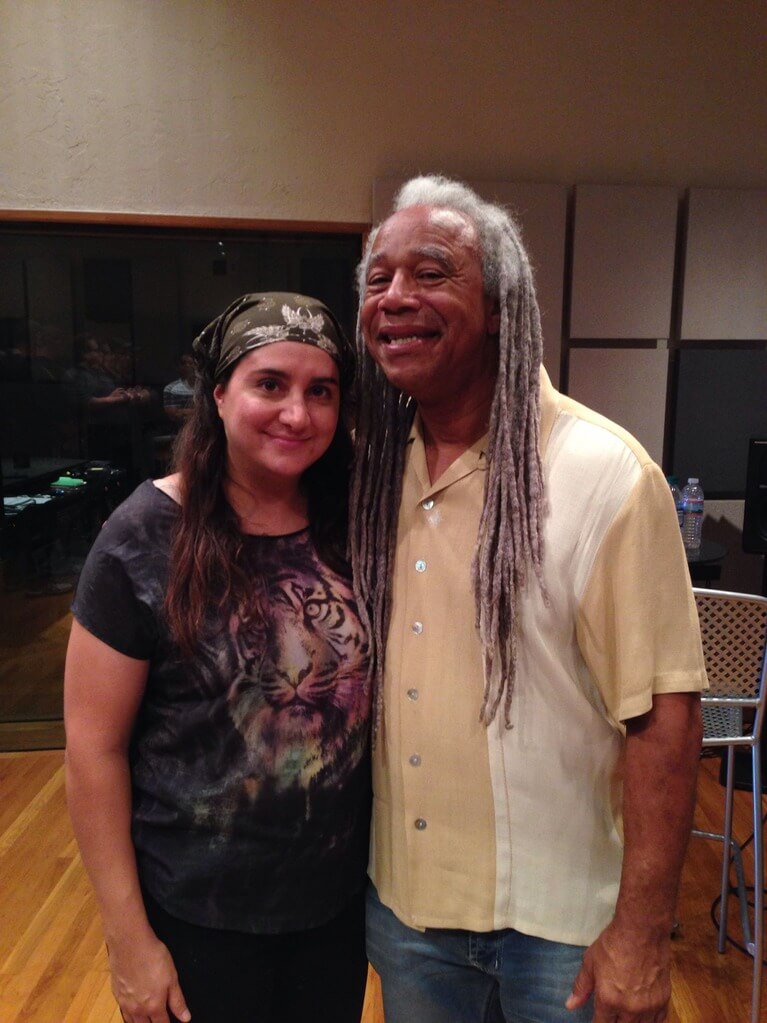
mary-and-dave

For example, look at Dave Fennoy, who teaches video game voice acting workshops. http://m.imdb.com/name/nm0271965/?ref=m_nv_sr_1

Or Pat Fraley who teaches animation and audiobook voice over workshops. http://m.imdb.com/name/nm0289710/?ref=m_nv_sr_1

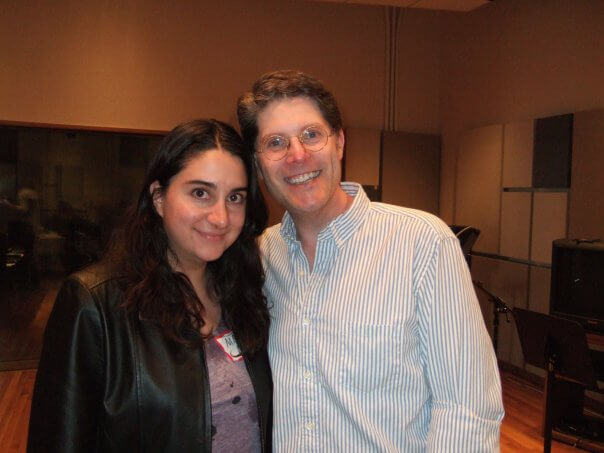
mary-and-bob

Or Bob Bergen, who was the first true VO talent I learned from. http://m.imdb.com/name/nm0074036/

Now unfortunately not all animation voice over talent have IMDb pages, but they have experience and knowledge with companies like Nickelodeon, Disney, and others. Lisa Biggs for example is a phenomenal voice actress with 20 years of experience. I know Lisa and always recommend her. Sadly I can’t find an IMDb page for her. But if you visit her top-notch website you’ll hear amazing demos, see video clips of various jobs and toys that she’s voiced! You can ask if anyone knows Lisa Biggs in a number of voice over groups and discover that she’s not only well known but widely respected and incredibly generous. http://lisabiggs.com/

If you’re drawn to the world of commercials you still want to work with more than one person. Why? Because you still need to find out what kinds of commercials work for you. Always use your natural voice for commercials unless the client is looking for character voices (talking tomatoes, talking pets, etc.). If your voice is young you probably won’t book many ads about banks, real estate, or automotive spots; however, you might have luck with ads for cosmetics, restaurants, fashion, or vacation packages. If your voice is older or deeper you can do sultry ads for perfumes, authoritative commercials on serious subjects, pet foods, cleaning products, wine or beer products. Get the idea?

Can you talk for hours without sounding tired or damaging your vocal chords? Then try audiobooks or narrations. The hours are long and sometimes deadlines are short, but lots of people make good money recording audiobooks and it continues to be a market in high demand. But what genres fit your voice? Mystery? Science fiction? Fantasy? Horror? True Crime? Romance? YA? Children’s books? Non-Fiction? Erotica?

Can you sound like a young and energetic little boy or girl? A hyperactive robot? A bitter old woman? A sarcastic villain? A magic creature from folklore? A foreigner from a little-known country with a bizarre accent? Then you might have a place in the world of animation, anime and video games. But keep in mind all the above as just a few examples of what you might be expected to do just for one show. These days voice actors are expected to voice at least 3 different characters for a single game or show. And they must not sound similar!

Nancy Cartwright is famous as the voice of Bart Simpson, but look on her IMDb page and see the other voices she created for the show during the 27 years it’s been airing on T.V.! http://www.imdb.com/name/nm0004813/?ref_=fn_al_nm_1

What about Trey Parker and Matt Stone who created South Park? http://m.imdb.com/title/tt0121955/fullcredits/cast?ref_=m_tt_cl_sc 

Browse Tara Strong’s list of credits and see how many shows she had to provide more than one character voice for: http://m.imdb.com/name/nm0152839/filmotype/actress?ref_=m_nmfm_1

This blog post could go on and on. Yet I imagine the info mentioned thus far is already taking its toll on your brain. You don’t have to be good with all voice over markets, but the more you can add to your repertoire, the more likely you’ll attract work and opportunities.

So after everything I said above, what do you think? Should you train with just a few VO coaches or as many as you can?

I’ve worked with LOTS of people. And I’ll probably work with more, because I never want to stop learning.

Here’s a list of people I’ve trained with as well as what I learned from them and a list of people I have not worked with but whom I trust in what they teach.

People I’ve trained with and highly recommend:

Lisa Biggs: Animation, kids voices, voice over for toys

Pat Fraley: Animation and Audiobooks

Bob Bergen: Animation

Mary Lynn Wissner: Commercials

Bill Holmes: Commercials

Everett Oliver: Animation

Marc Cashman: Commercials

Dave Fennoy: Video Games

Ginny McSwain: Video games

Lani Minella: Video games

Richard Horvitz: Animation

Marice Tobias: Commercials and Narrations

MJ Lallo: Animation

Katie Leigh: Animation

Joyce Castellanos: Promos

Ned Lott: ADR Looping

Cliff Zellman: Commercials

People or Places I haven’t trained with (yet!) but still recommend:

Anyone who teaches at Global Voice Acting Academy

Nancy Wolfson – Commercials

Angel Burch – Beginning Voice Overs, Animation, Techniques

Elaine Clark – Narration, Commercials, Video Games

Debi Derryberry – Animation, Commercials

Terri Douglass – ADR Looping

Bill Farmer – Animation, Commercials, Trailers

Marc Graue – Video Games, Trailers, Commercials, Narrations, Promos,

Often the names above will teach workshops across the USA and sometimes abroad. Unfortunately, one or two only work with talent in person. Otherwise, the majority will also teach workshops over Skype, group classes through Zoom or webinars. Take advantage of the opportunity to work with them!

Google their names and see what you find or find them on social media.

Always remember to do your research and follow your instincts!

Filed Under: Creativity, Voice Over Tagged With: blogging, Characters, Entertainment, IMDb, internet, Knowledge, Learning, research, social media, talent, Training, VO, Voice Acting, voice actor, voice actress, voice artist, Voice Over, voice over artist, voice over career, voice over studio, voice over talent, voice over website, workshops

Why did I spend 7 years learning Krav Maga?

April 6, 2016 by MaryMorgan

Why did I spend 7 years learning Krav Maga?

This is something I’ve been asked about a lot lately and yet there’s no simple answer. I had taken Tae Kwon Do in my teens, experimented with Karate, Judo and Kung Fu but couldn’t bring myself to stay with them. Some teachers were kind, some were stern yet understanding, and others were… just not for me. As a beginner I was judged as not being able to keep up with the pace of intermediate or advanced students. One man complained that I wasn’t trying hard enough to do full sit ups and said Judo would be no good to me anyways. Ah me. Can’t please everyone. The arrogance got worse when it came time to consider tournaments and other competitions which I had no interest in. I wanted a martial art that would teach self-defense like how to get away from gun attacks, knife attacks, chokes, rape prevention and more. But these other styles only cared for technique used in forms. So I finally gave up searching for a new studio. After years of traveling, soul searching, and praying for guidance I decided to try dancing. It did not last. You might say it was the straw that broke the camel’s back because I found my feet moving into a fighter’s stance instead of a dance routine.

On a drive one day I happened to pass a studio that had just opened its doors. Curiosity brought me into the parking lot. But while sitting in my car I thought no one was there. Nonetheless, I got out, approached the doors and saw a man behind a counter enthusiastically inviting me in. Of course the first thing I asked was, “What is Krav Maga”, to which the man explained it to me in great detail. It would be intense, the warm-ups alone would be rigorous. But it made sense to me, his attitude was very positive and encouraging without being salesy. I took a free lesson, learning about arm grabs and how to best get out of them. That sold me in a heartbeat. No other school wanted to teach me self-defense in a first lesson.  Back then it was all about how to stand in a horse stance or where to position your arm with precision above your head with your fist tight before taking a step during form 1.

So for a few weeks I was the only student taking Krav Maga at this new location. I liked the individual attention. Then little by little others started to join in. Months later I took more till those months became years and the school expanded not once but twice. My teacher used to teach on his own, now he had 7 or 8 teachers to help with kids, teens, adult beginners, intermediate and advanced.

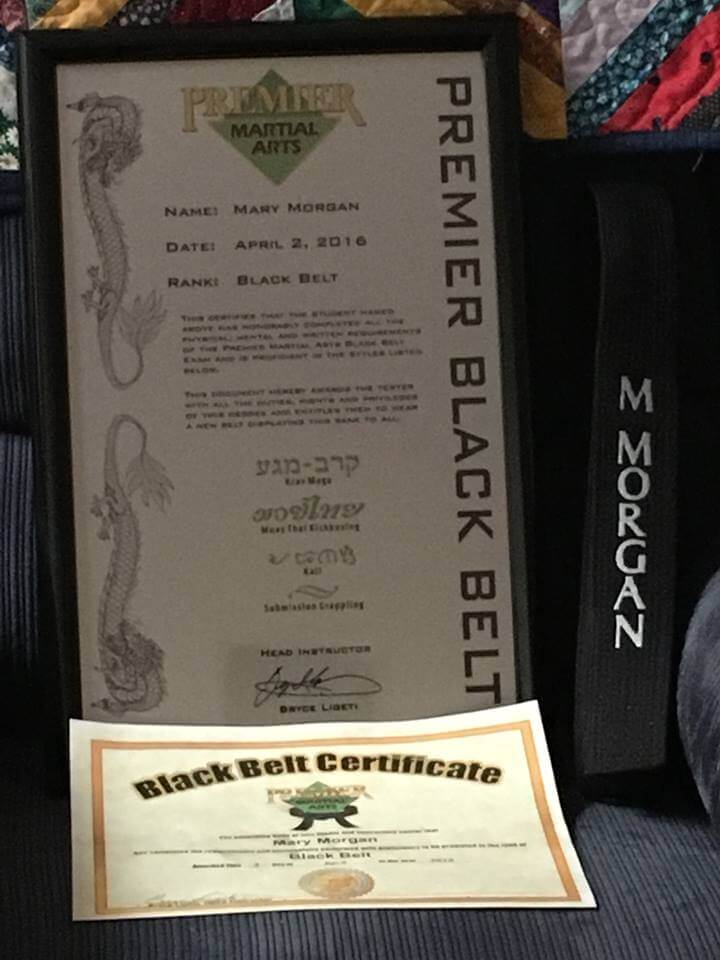
Before I knew it, 7 years had passed and I was told that it was time for my black belt test. Nobody gets their black belt in just 3-4 years in Krav Maga. You’re confronted physically, mentally, emotionally and beyond. I’ve seen lips busted, noses broken, feet broken, teeth knocked out, shoulders dislocated, and bodies slammed to the floor (including my own). With every new belt I tested for came new challenges such as trial by fire (put in a circle with your eyes closed and having someone attack you with a technique that you must get out of in less than 8 seconds) or a rattlesnake drill (multiple people attack you one after the other).

As I progressed to higher belt ranks the intensity skyrocketed. My strength didn’t feel adequate against men a foot taller and a hundred pounds heavier than me. So I was encouraged to consider cheats if I was attacked in the real world such as scratching, biting, grabbing back fat, eye gouging and ripping the groin. That upped my confidence a tiny bit. Later more women joined the class. I felt even better to be working with them instead of men who could throw me across the room. By the time I got to my red belt 3 which was the last step to reaching black belt, I had learned multiple techniques to work with but also had the freedom to be inventive with them.

My teacher stayed patient with me even when under lots of stress. He knows I’m someone who will question anything and everything since something that works for him may not work the same for me. Then last month, the date of my test was announced. All I could think of was how I wanted to get it over with quickly. The first hour alone had me out of breath. That was just the start of the warm up. From there you had to ignore the clock as much as possible and move from one demonstration to the next. After lunch I felt ready to give it all the last 4 hours until we had to spar which I detest immensely. I did what I could then cried my eyes out thinking I was too much a disgrace to go forward. Yet again, my teacher encouraged me not to give up. Even my opponents urged me to keep going. So with tear streaked cheeks, puffy eyes, swollen ankles, sore arms, an achy back and shaky legs I forced myself to endure more trial by fires till I heard what I’d be waiting to hear for 8.5 hours “Awesome work! That’s it!”

Then we all got emotional. And I wondered if I truly deserved getting a black belt. Some areas I excelled at and others not so much. But I lasted through the entire day. My teacher said that was a big part of the test.

Now to answer the question at the top: Why did I spend 7 years learning Krav Maga?
I did it to prove I was just as worthy as anyone else of getting as far as I did with dedication.

I didn’t quit or walk away, I remained where I was, gave it my all and now I can look at my list of accomplishments and add achieving a black belt in a martial art. Best of all, the learning will never stop. A black belt doesn’t mean you’ve learned everything, it really means you’re ready to go beyond learning itself to become stronger, competent and understanding of who you are. Not what other people think of you.
All those years ago I remember being nervous just trying something new. I had been somewhat agoraphobic, and very shy. Now, in 2016 my awareness has increased dramatically. I’m more open-minded in conversations or topics under discussion. I feel less intimidated by others unless they just have really bad attitudes. I also found myself exploring new interests such as teaching yoga which I encourage classmates to take in order to improve their balance and flexibility when training in Krav Maga. This is where I am. Where do you want to be?

Filed Under: Krav Maga Tagged With: Believing in Yourself, Black Belt, Commitment, Dedication, Grappling, Hard Work, Krav Maga, Learning, Martial Arts, Premier Martial Arts Texas, Self-Defense, Survival Techniques, Texas, Training

  • « Go to Previous Page
  • Page 1
  • Page 2

Primary Sidebar

Categories

  • Creativity
  • Krav Maga
  • Music
  • Uncategorized
  • Voice Over
  • Yoga

Archives

  • January 2022
  • January 2019
  • December 2018
  • March 2018
  • January 2018
  • November 2017
  • October 2017
  • August 2017
  • July 2017
  • March 2017
  • February 2017
  • January 2017
  • June 2016
  • April 2016
  • September 2015
  • August 2015

©2026 Mary Morgan // Voice Over Site by Voice Actor Websites

marymorganvoice@gmail.com
817-845-7862